As Hong Kong’s legal and professional services community continues to evolve—shaped by AI adoption, policy shifts, and changing workplace expectations—one constant remains: progress is driven by people. At an International Women’s Day 2026 in‑office conversation in Hong Kong, legal practitioners came together to explore how allyship, confidence, and human judgment continue to shape inclusive career pathways for women.
Key highlights
● International Women’s Day 2026 centred on the theme “Give to Gain”, reinforcing how allyship, volunteering, and advocacy create long‑term impact.
● Male allyship remains critical in recognising and supporting women who may be less inclined to self‑advocate.
● While gender balance is improving at entry levels, confidence gaps and career‑stage barriers persist across the legal profession.
● Echoing wider discussions across the profession, participants stressed that human judgment, empathy, and support remain essential to sustainable progress.
A human-centred International Women’s Day conversation in Hong Kong
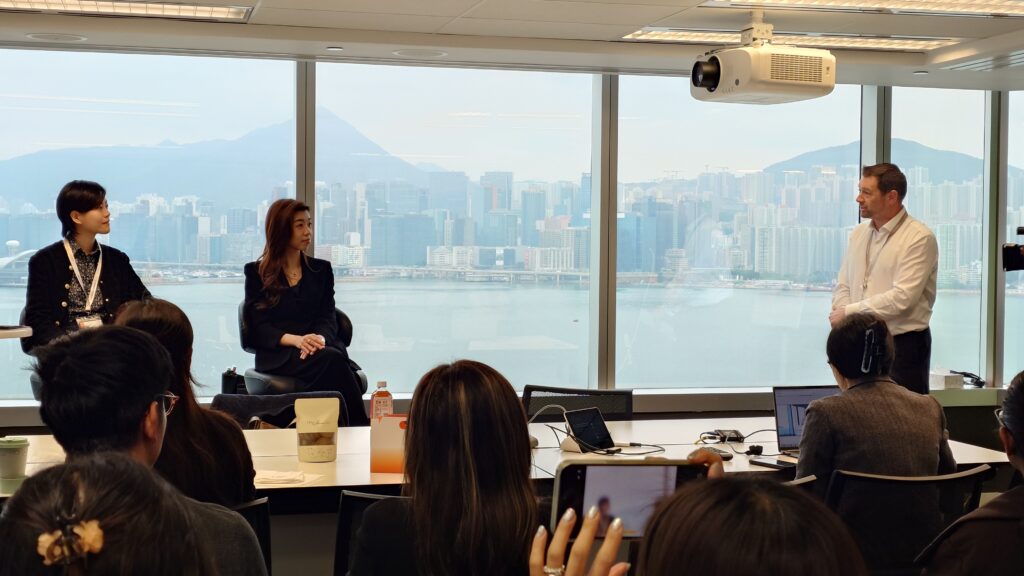
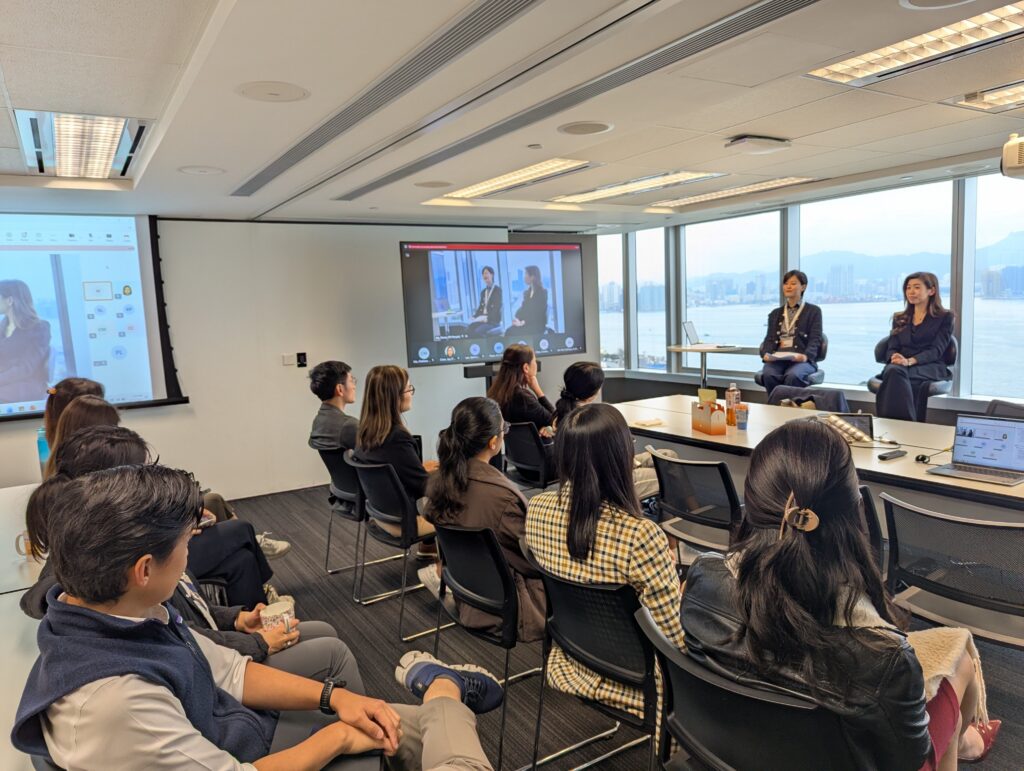
Colleagues gathered in the Hong Kong office and online for an International Women’s Day 2026 in‑office conversation, organised and hosted by Chelsea Ma, Hong Kong Chapter Lead of Women@Thomson Reuters, and Priscilla Chow, a practising barrister.
Framed around this year’s theme, “Give to Gain,” the session created space for an open, reflective discussion on pro bono work and volunteering, and on the value of giving back beyond our day-to-day roles.
This focus on people‑led progress closely mirrors the themes explored in Women in Law Asia: The Human Advantage in the Age of AI, which examines how legal professionals across the region are ensuring that innovation and transformation remain grounded in ethics, trust, and human judgment.
Why allyship matters in the legal profession
Guest speaker Fraser Chow opened the discussion by reflecting on the importance of International Women’s Day from the perspective of a male ally. Having participated in IWD initiatives in various capacities over the years, he shared how conversations around gender equality have broadened, while acknowledging that meaningful gaps remain.
One recurring observation stood out: women are often less likely to proactively put themselves forward for opportunities. Instead, they may wait to be recognised, sometimes due to a lack of confidence or discomfort with self‑promotion.
By contrast, Fraser noted that men are generally more inclined to self‑advocate, often reaching out directly and unprompted. As an ally, he described making a conscious effort to rebalance that dynamic, encouraging women to recognise their strengths and reminding them that they are deserving of opportunities.
This perspective aligns with broader industry conversations, including those highlighted in Women in Law Asia: The Human Advantage in the Age of AI, where leaders emphasise that systems and policies alone cannot drive change without intentional human intervention.
Confidence, culture, and career progression for women in law
Guided by hosts Chelsea and Priscilla, the discussion turned to the barriers and opportunities faced by women in professional workplaces and explored how service can shape perspectives and personal growth.
Participants reflected that while diversity policies and gender‑positive frameworks are important, cultural and societal shifts play an equally significant role. Women today are increasingly direct about their ambitions and more willing to pursue leadership roles. Changing attitudes towards gender stereotypes are crucial to enabling growth for women professionals, who have often been typecast and funnelled away from their ambitions.
At the same time, speakers suggested that pro bono work focused on driving change, whether systemic or individual, can benefit oneself as well as improve gender equity. Junior lawyers could gain experience from working on pro bono cases, while women professionals taking leadership roles in pro bono work could increase gender visibility and bridge confidence gaps.
These realities echoed a wider concern shared across the profession: efficiency gains, whether through policy or technology, mean little if human careers, confidence, and progression are overlooked.
Pro bono, volunteering, and the “Give to Gain” mindset
As the session drew to a close, the conversation returned to the “Give to Gain” theme. Speakers emphasised that progress rarely comes from a single policy or initiative. Instead, it is shaped by small, consistent actions, inviting others into opportunities, sharing visibility, and staying connected as teams.
This philosophy mirrors a key takeaway from Women in Law Asia: The Human Advantage in the Age of AI: that the future of the profession will be defined not only by innovation, but by how intentionally people support one another through change.
Building inclusive legal careers through everyday action
The event concluded with warm thanks to Chelsea and Priscilla, whose leadership in organising and hosting the session helped create a thoughtful and inclusive space for dialogue.
As International Women’s Day 2026 reminds us, meaningful progress is rarely driven by policy or technology alone. It is built through everyday choices—showing up as allies, sharing opportunities, and supporting one another with intention. In Hong Kong’s legal community, these small acts of advocacy continue to shape more confident, inclusive, and human‑centred career pathways.
Discover how women leaders across Asia are applying the same human‑centric principles to AI adoption, governance, and mentorship in Women in Law Asia: The Human Advantage in the Age of AI.